Fluoride treatments play an important role in maintaining oral health for people of all ages. This naturally occurring mineral has been used in dentistry for decades and continues to be a common preventive measure. Whether for children developing their first teeth or adults looking to protect their smiles, fluoride may help strengthen teeth and reduce the risk of decay when used appropriately as part of routine dental care.
What Is Fluoride and How Does It Work?
Fluoride helps reinforce tooth enamel, which is the outer protective layer of the teeth. Enamel can weaken over time due to acids produced by bacteria, sugary foods, and beverages. When fluoride is applied, it supports the remineralization process, helping enamel regain lost minerals. This process may help teeth become more resistant to decay and everyday wear.
Why Fluoride Is Important for Children?
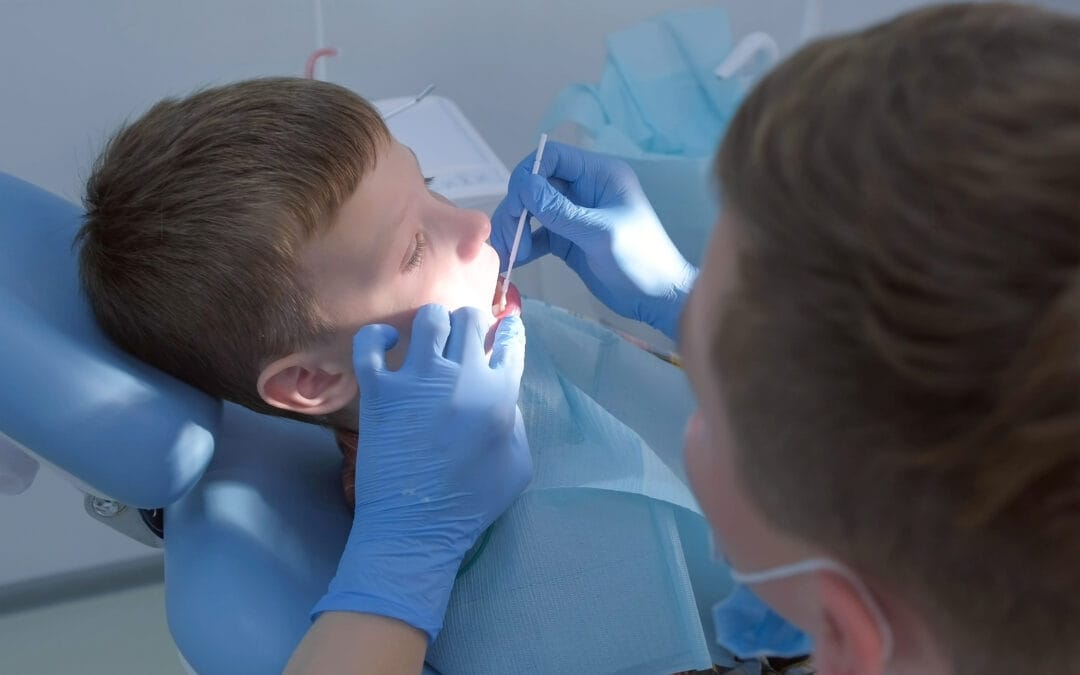
For children, fluoride plays a dual role. It helps protect existing teeth and supports the development of permanent teeth that are still forming beneath the gums. Regular fluoride treatments may help lower the risk of cavities during childhood, when brushing habits are still developing. Many parents choose to include fluoride applications during routine visits to a family dentist as part of preventive care for their children.
Benefits of Fluoride for Adults
Fluoride is not only beneficial during childhood. Adults may also experience enamel wear due to factors such as acidic diets, dry mouth, or gum recession. Fluoride treatments may help protect exposed root surfaces and reduce sensitivity. For individuals with a history of frequent cavities, fluoride may offer added protection when combined with good oral hygiene practices.
Professional Fluoride Treatments vs. Daily Use
Fluoride is commonly found in toothpaste and drinking water, but professional treatments provide a higher concentration in a controlled setting. These treatments are typically applied as a gel, foam, or varnish during a visit to a dental office. The process is quick and allows the fluoride to remain on the teeth long enough to be absorbed effectively. A dental professional can recommend how often treatments may be appropriate based on age, oral health, and risk factors.
Safety and Common Concerns
Fluoride treatments provided in a clinical setting are considered safe when administered according to guidelines. Dental professionals carefully monitor the amount used, especially for children. At-home care instructions often include guidance on toothpaste amounts and brushing habits to support safe fluoride exposure.
Who May Benefit Most from Fluoride Treatments?
While fluoride can be helpful for many people, certain individuals may benefit more. These include children, adults with a history of tooth decay, people with orthodontic appliances, and those experiencing dry mouth. A family dentist can assess individual needs and determine whether fluoride treatments may be a suitable part of a preventive care plan.
Fluoride as Part of a Preventive Routine
Fluoride treatments are most effective when combined with daily brushing, flossing, and regular dental checkups. They are one component of a broader approach to oral health that focuses on prevention rather than treatment.
Supporting Long-Term Oral Health for Your Family!
Slipacoff Dental Centre offers preventive care options designed to support patients at every stage of life. By working with a trusted dental office, families can receive guidance on fluoride treatments and other preventive measures that may help maintain strong teeth over time. Scheduling regular visits allows patients to stay informed and proactive about their oral health needs