When a tooth starts causing pain or shows signs of damage, many people wonder whether a root canal or a crown is needed. Although these treatments are often mentioned together, they address different concerns. A dentist will usually decide after examining the tooth, reviewing X-rays, and considering the condition of the surrounding tissues.
If you have searched for a dentist nearby because of tooth discomfort or a broken tooth, learning how this decision is made may help you understand what to expect at your visit.
What Is a Root Canal?
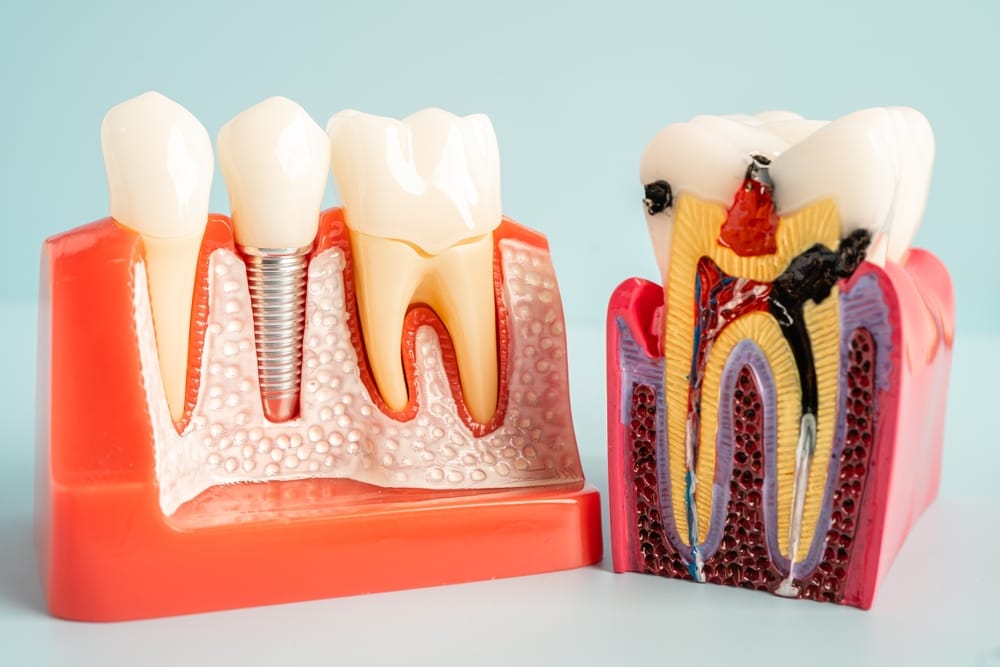
A root canal is a procedure used when the soft tissue inside a tooth, called the pulp, becomes inflamed or infected. The pulp contains nerves and blood vessels, and it may be affected by deep decay, a crack, repeated dental work, or injury.
During a root canal, the dentist removes the affected tissue, cleans the inside of the tooth, and seals it. The goal is to preserve the natural tooth when that is a suitable option. Signs that may suggest a tooth needs evaluation include:
- Persistent tooth pain
- Sensitivity to hot or cold that lasts
- Swelling near the tooth or gums
- Pain when biting or chewing
- A tooth that appears darker than the others
These symptoms do not always mean a root canal is required. A dental examination is needed to determine the cause.
What Is a Dental Crown?
A dental crown is a restoration that covers the visible part of a tooth. It is designed to support and protect a tooth that has been weakened by decay, fracture, wear, or a large filling. A crown may be recommended when:
- A tooth has a large filling and limited healthy structure remains
- A tooth is cracked, but the pulp is still healthy
- A tooth has worn down over time
- A tooth has already had root canal treatment and needs added protection
In some cases, a crown alone may be enough to restore the tooth.
Why Are Root Canals and Crowns Often Mentioned Together?
Root canals and crowns are separate treatments, but they are often used in combination. After a root canal, a tooth may be more vulnerable because the internal tissue has been removed. A crown may help protect the tooth and support normal chewing.
That said, not every tooth that has a root canal needs a crown right away, and not every crown follows a root canal. The recommendation depends on the tooth’s location, how much structure remains, and how much force the tooth must handle during biting.
How Dentists Decide Between the Two
Choosing between a root canal and a crown depends on the condition of the affected tooth. During your appointment, the dentist will perform a thorough examination and may take dental X-rays to understand the extent of the damage. They will assess whether the pulp inside the tooth is healthy, inflamed, or infected, evaluate the amount of healthy tooth structure that remains, and look for signs of cracks or fractures.
The position of the tooth, the amount of pressure it experiences during chewing, and your overall oral health are also important considerations.
What If the Tooth Cannot Be Restored?
Sometimes a tooth is too damaged to repair. In those situations, extraction may be discussed. After healing, replacement options may be reviewed, including dental implants in Sarnia, if they are appropriate for your oral health and treatment goals. Your dentist can explain the available choices and help you understand the benefits and limitations of each one.
Schedule an Appointment with Slipacoff Dental Centre!
If you have tooth pain, a damaged tooth, or questions about whether a root canal, crown, or dental implants in Sarnia may be suitable for your situation, Slipacoff Dental Centre can provide an examination and discuss your options with you. Contact the office to arrange a visit and learn more about your next steps.